
The Prediction: When I Took on a Police-Secured Publicity Challenge
Long before viral marketing campaigns and social media stunts became commonplace, publicity relied on a far simpler idea:
Create something people genuinely wanted to talk about.
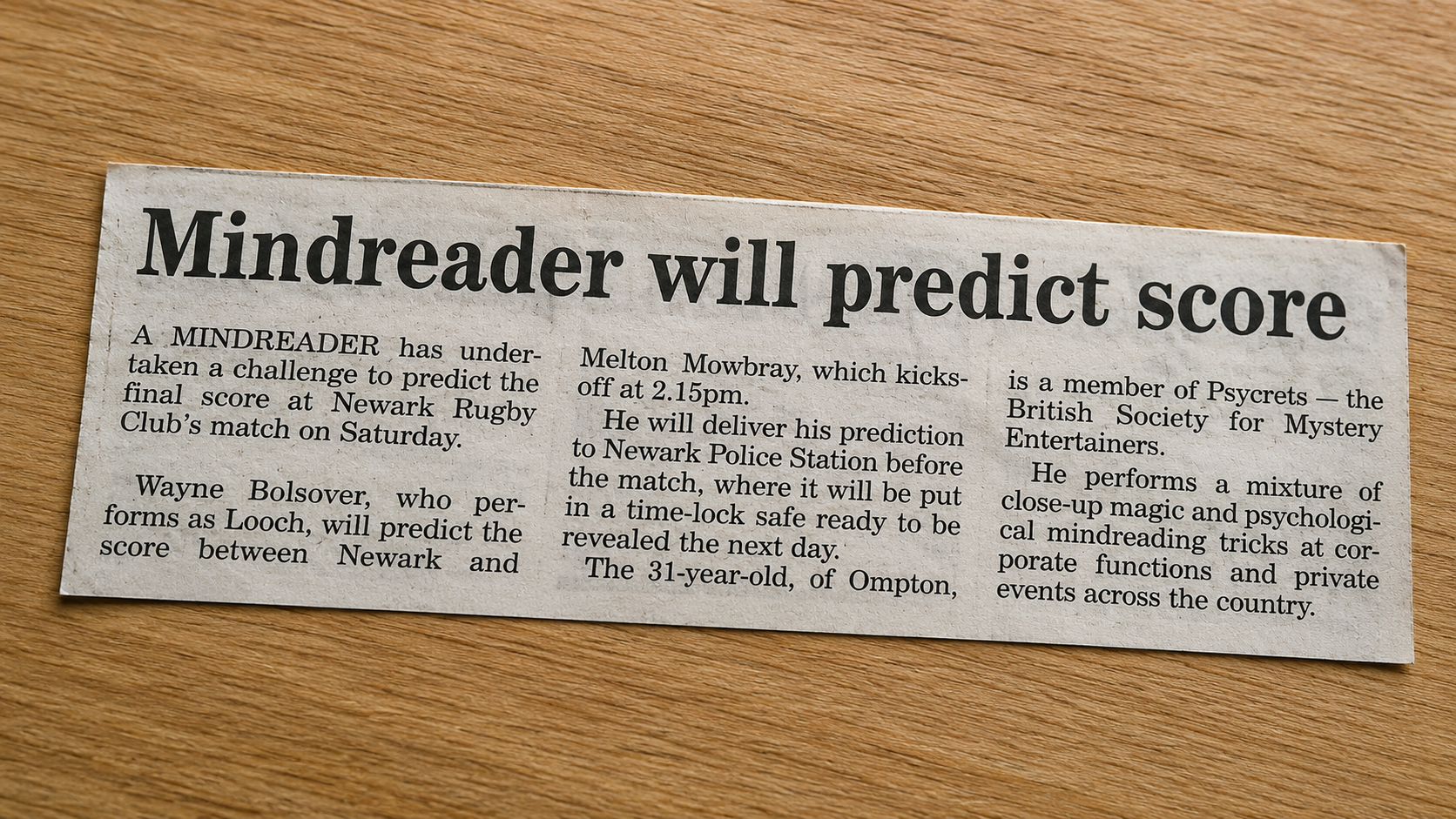
In 2011, I accepted one of the strangest challenges of my career when the Newark Advertiser and Nottinghamshire Police invited me to predict the exact outcome of a live rugby match under strict supervision.
At the time, it felt less like a performance and more like stepping into a psychological experiment.
The Challenge
The idea itself was straightforward on paper.
The Newark Advertiser challenged me to predict the final score of a rugby match between Newark RUFC and Melton Mowbray, with the result secured in advance before the game took place.
However, to eliminate any suggestion of trickery, a series of strict conditions were introduced involving Nottinghamshire Police.
The prediction would:
- be sealed inside an envelope
- be marked by the police for identification
- be placed inside a tamper-proof evidence bag
- be locked inside a police time-lock safe overnight
- remain inaccessible until after the match had concluded
To make things even more difficult, I was also prohibited from attending the game itself or learning the result before the prediction was officially opened the following morning.
Looking back now, it remains one of the most tightly controlled publicity demonstrations I’ve ever attempted.
Building the Prediction
One of the misconceptions surrounding publicity stunts like this is that they happen spontaneously.
In reality, enormous thought goes into creating something that feels impossible while still remaining engaging and theatrical for the audience following the story.
In the days leading up to the match, I became strangely obsessed with rugby statistics, weather forecasts and previous scorelines.
Newark had been performing strongly throughout the season and appeared likely favourites, but sport has a habit of producing unexpected outcomes precisely when confidence becomes too high.
To complicate matters further, the weather across Nottinghamshire during the week was unpredictable, which potentially affected kicking accuracy, conversions and overall scoring patterns.
The challenge quickly became far more psychologically demanding than I initially expected.
The Police Involvement
On the morning of Saturday 7th January 2012, I arrived at Newark Police Station carrying the sealed prediction envelope.
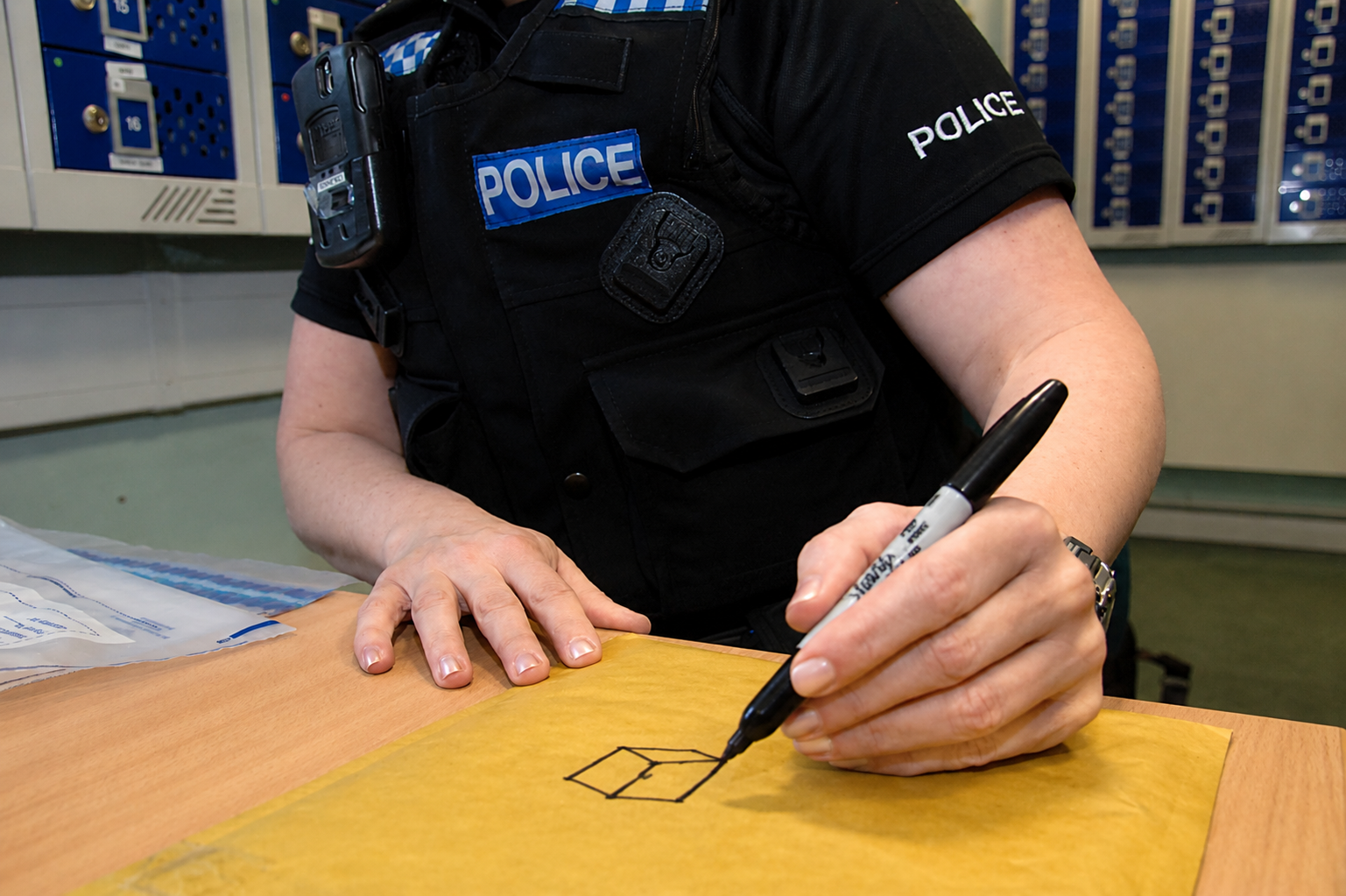
Waiting for me were representatives from the Newark Advertiser and Sergeant Lisa Mortimore of Nottinghamshire Police.
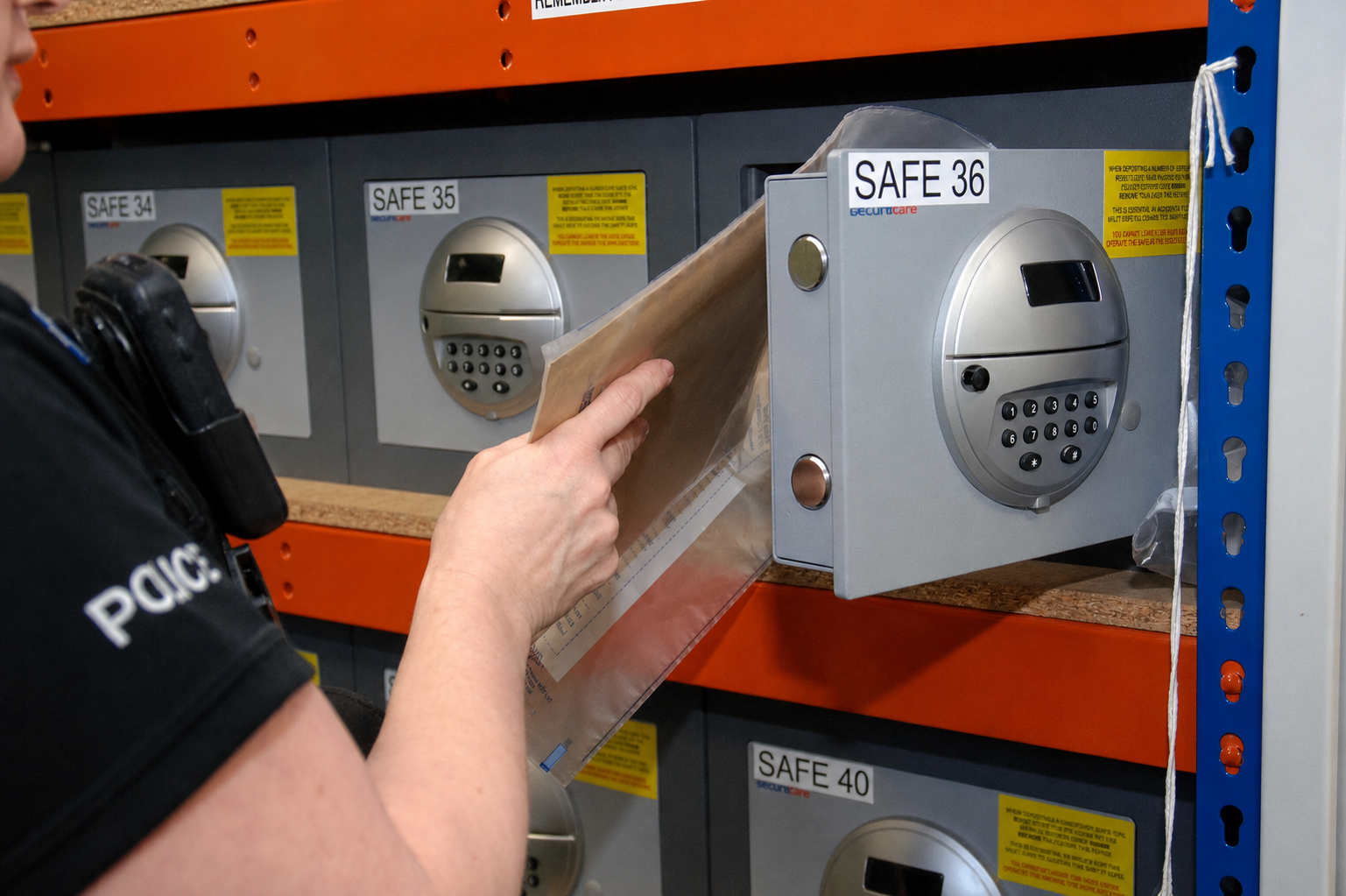
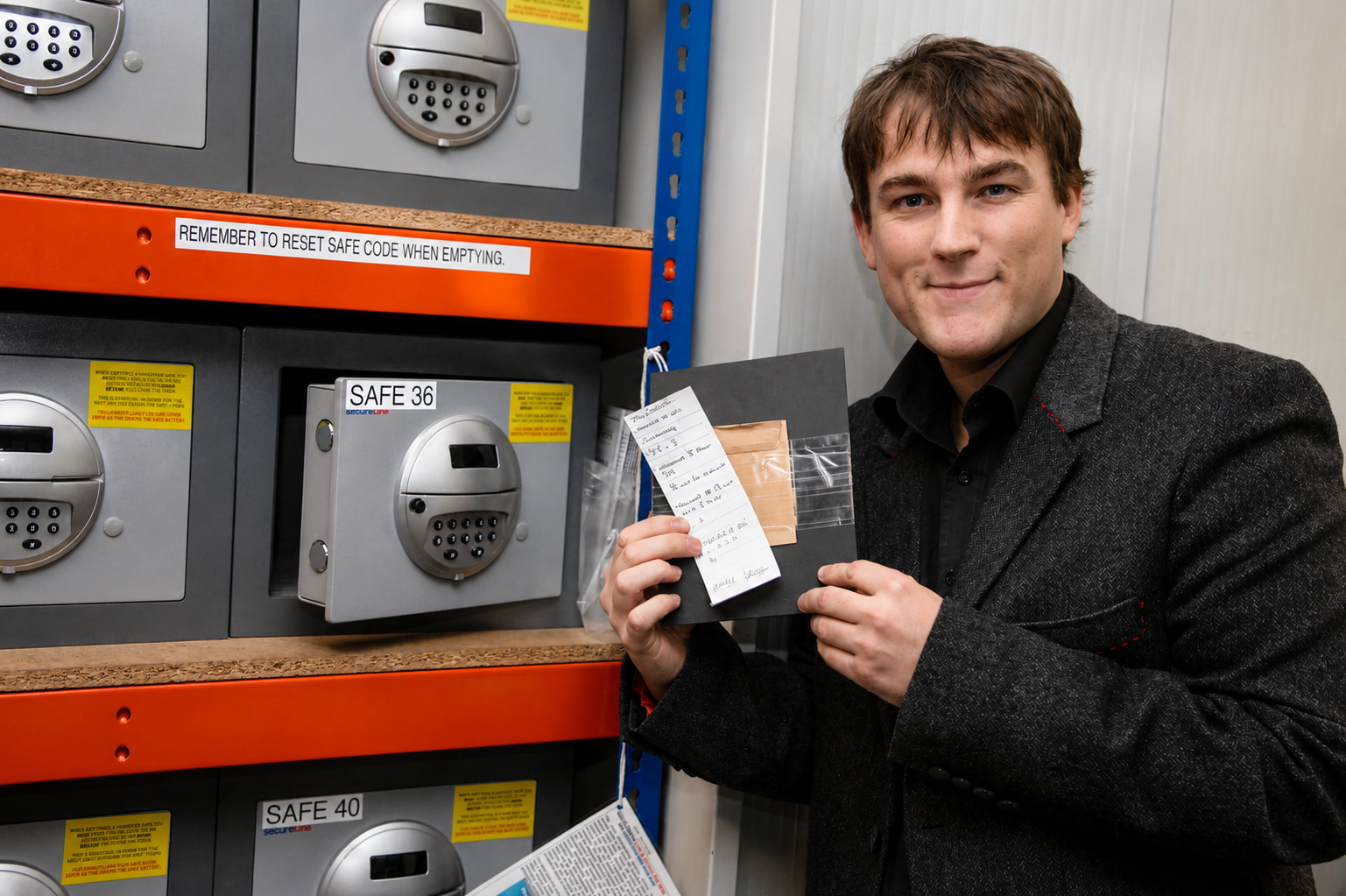
Inside a secure evidence room, the envelope was officially marked by the police before being sealed inside a tamper-proof evidence bag and locked inside a police time-lock safe overnight.
Importantly, I had absolutely no control over:
- the identifying markings placed on the envelope
- which safe would be used
- how the evidence was stored
- or access to the prediction afterwards
That loss of control was precisely what made the challenge both terrifying and exciting.
Once the safe closed, there was nothing left to do except wait.
Match Day
While the rugby match itself took place that afternoon, I deliberately stayed away from the event entirely as agreed within the challenge conditions.
In hindsight, that may actually have made the experience worse.
Without any knowledge of the score, your imagination starts creating every possible outcome simultaneously. Every close game scenario feels plausible. Every upset suddenly feels inevitable.
By the following morning, returning to the police station genuinely felt more nerve-racking than many live performances.
The Reveal
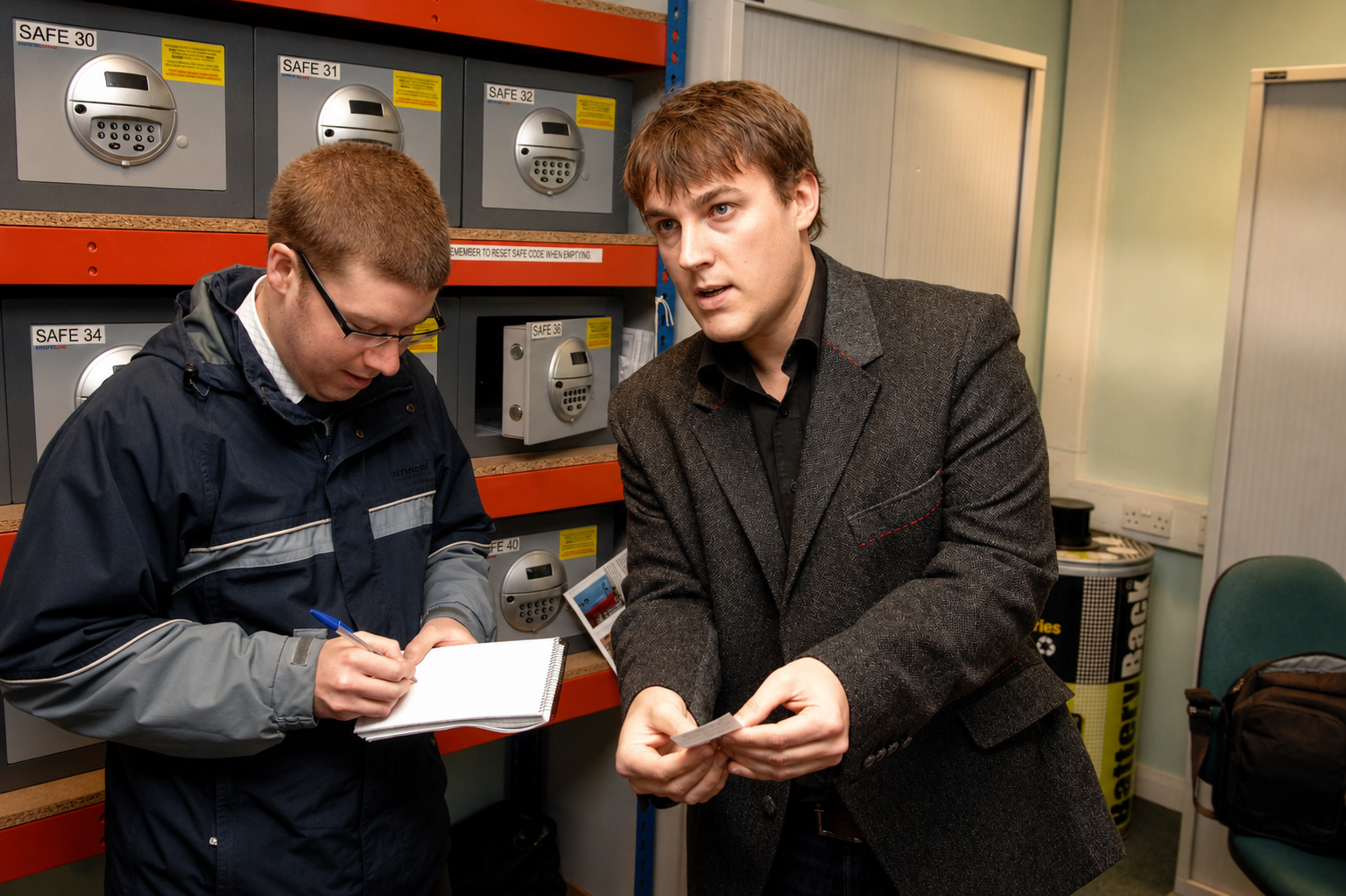
Under supervision from the police and local press, the evidence bag was opened and the original prediction envelope removed from the safe.
The Newark Advertiser themselves removed and read the prediction aloud.
The first prediction:
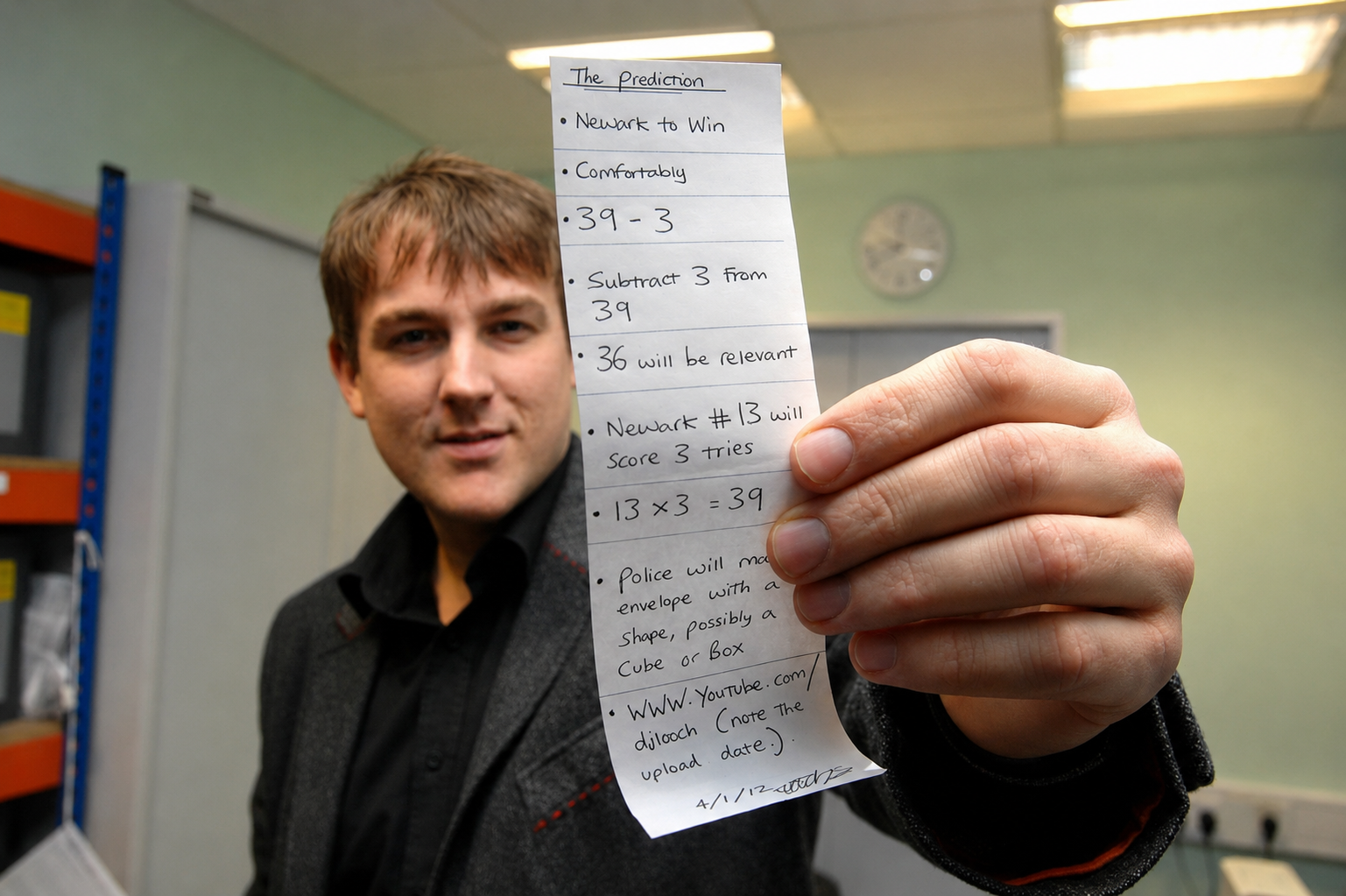
Newark to win.
Correct.
The second:
Newark to win comfortably.
Correct.
Then came the final score prediction itself.
39-3.
The exact final score of the match.
What made the reveal even stranger was that several additional predictions connected unexpectedly throughout the process.
One prediction involved the number 36 becoming relevant. Not only was the score difference between the teams 36 points, but by complete coincidence Safe Number 36 had also been selected to store the prediction overnight.
Another prediction suggested the police would mark the envelope using a box or square shape.
Sergeant Mortimore had, independently and without instruction, drawn a box on the envelope during the evidence procedure.
By the time the final prediction had been read aloud, the atmosphere inside the room had shifted completely.
Why Publicity Stunts Work
Looking back now, the most interesting part of the entire experience wasn’t necessarily the prediction itself.
It was watching how quickly a compelling story spreads when people become emotionally invested in an outcome.
The challenge combined:
- uncertainty
- authority
- live sport
- police involvement
- local media
- public curiosity
- and a clear dramatic question:
“Will he get it right?”
That structure is what made people care.
The best publicity stunts create conversation before the event, tension during it and discussion afterwards. They become shared experiences rather than simple advertisements.
That’s something many modern marketing campaigns still overlook.
The Aftermath
The feature generated significant local attention and remains one of the most memorable publicity demonstrations I’ve ever been involved in.
At the time, it also taught me an important lesson:
people don’t remember perfection nearly as much as they remember tension, risk and uncertainty.
That challenge genuinely could have gone wrong.
And perhaps that’s exactly why people found it compelling.
Looking Back
Looking back now, the challenge remains one of the clearest reminders that people are naturally drawn towards mystery, tension and uncertainty.
The strongest live experiences don’t simply entertain people in the moment - they give them something to discuss long afterwards.
Whether for a corporate event, media campaign or experiential activation, those shared moments of curiosity are often what audiences remember most.
