
From Virtual Performances to Brussels - Returning to Live Corporate Events in Europe
Like many performers, March 2020 changed everything almost overnight.
One by one, corporate bookings disappeared from the calendar. Conferences were postponed indefinitely, gala dinners vanished and international travel came to a complete standstill. Entire industries suddenly found themselves trying to work out how to operate in a world where people could no longer gather together in person.
Live entertainment simply stopped.
For somebody whose work revolves entirely around human interaction, audience energy and shared experiences, it was a strange and unsettling time. Beyond the financial uncertainty, there was also the emotional impact of suddenly losing something that had formed part of my identity and routine for years.
In a world where technology is designed to connect us all, I’d never felt more disconnected.
Learning How to Perform Virtually
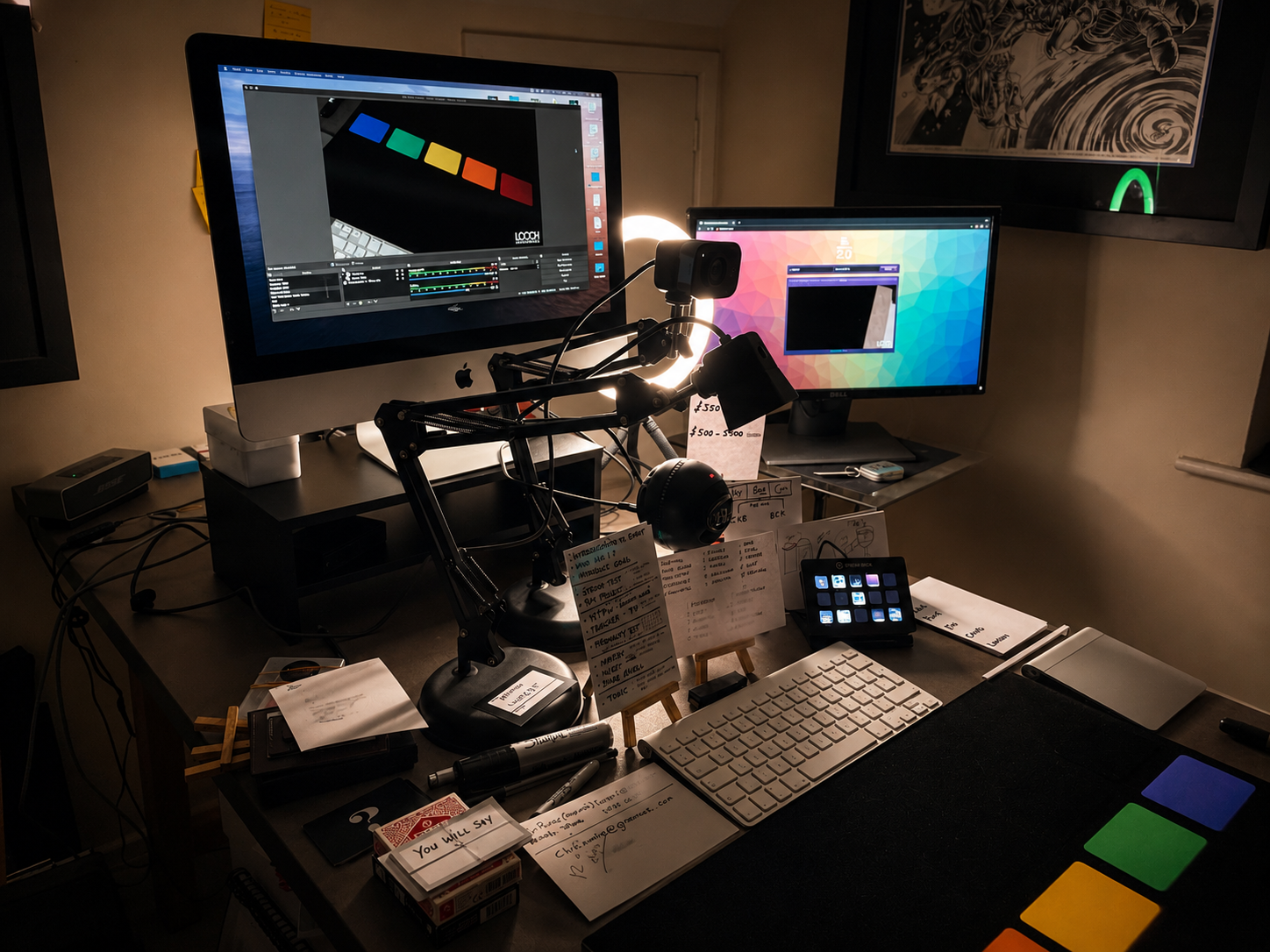
Like many performers during the pandemic, I had to adapt quickly.
If live audiences were no longer possible, the only real option was to explore the rapidly growing world of virtual events. Looking back now it almost feels surreal, but for a short period of time online entertainment became a genuine substitute for live experiences and companies all over the world were suddenly searching for ways to keep delegates engaged remotely.
My setup was hardly a television studio, but it was a step beyond simply pointing a webcam at myself and hoping for the best.
Working from a small home office, I taught myself how to operate two cameras simultaneously using OBS software on my iMac. One camera remained head-on while the second provided an overhead close-up view of a branded performance mat where props and demonstrations could be shown in detail. Using a Stream Deck, I could switch between the two camera angles live during performances. I added a plug-in microphone, bought a couple of inexpensive ring lights and slowly built a setup that looked professional enough to work within the virtual conference world.
Technically, it worked.
Emotionally, it never truly felt right.
Performing mentalism through a screen often felt dystopian and strangely artificial. So much of what I do relies on atmosphere, audience energy and subtle human interaction. Those things are difficult to replicate when staring into a camera lens alone in a quiet room.
There were no real audience reactions to feed from. No atmosphere. No natural rhythm. Often just silence followed by a delayed response several seconds later.
At times it genuinely felt like performing in front of a mirror.
Still, despite the strange experience, I was grateful to still be working at all during such a worrying period in the world.
Performing for ACTA
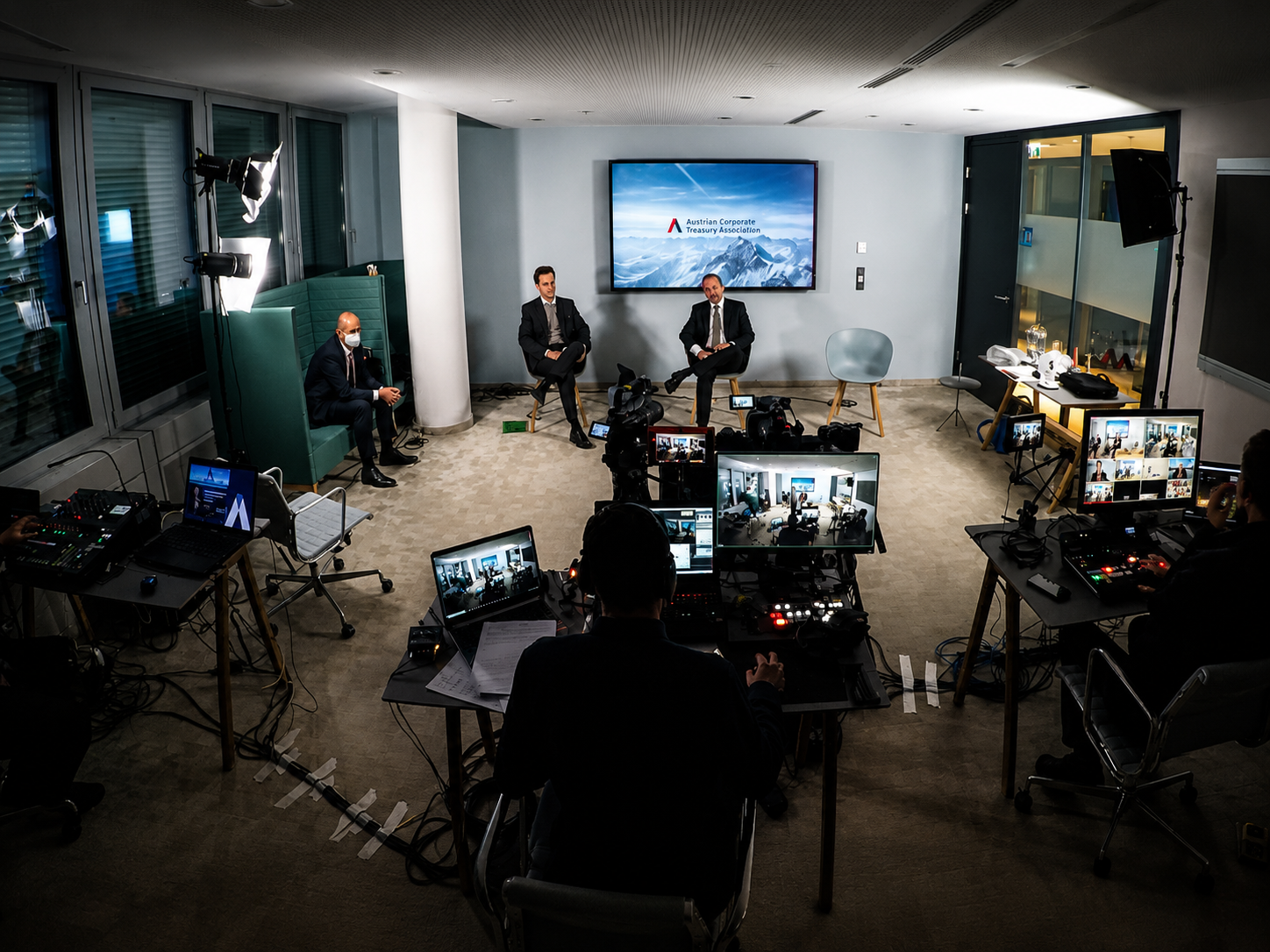
One of those virtual events came about through an Austrian customer who had previously purchased some of my material through Read My Mind Ltd, my online store for mentalists and magicians.
He got in touch to explain that he worked with ACTA, the Austrian Corporate Treasury Association, and wondered whether I would be interested in performing during a large-scale online event they were organising for delegates.
Potentially over 1,500 people would be attending virtually.
Thankfully the event itself was exceptionally well organised thanks to the professional AV company operating the conference. Their team controlled the technical side entirely, leaving me free to focus purely on the performance itself while switching between my two camera angles when needed.
I kept the demonstrations simple and visual for the online environment.
One routine involved a sort of hybrid between Chinese whispers and word association, culminating in a prediction of a completely random word generated collectively by the delegates. Another involved two Rubik’s cubes. While casually telling a story, I openly mixed one cube into a random pattern before setting it aside. I then took a second cube and mixed that too. When I finally stopped, both cubes matched perfectly, scrambled into the exact same impossible configuration.
The reactions from the selected participants were excellent and the event ultimately led to further enquiries and networking opportunities afterwards.
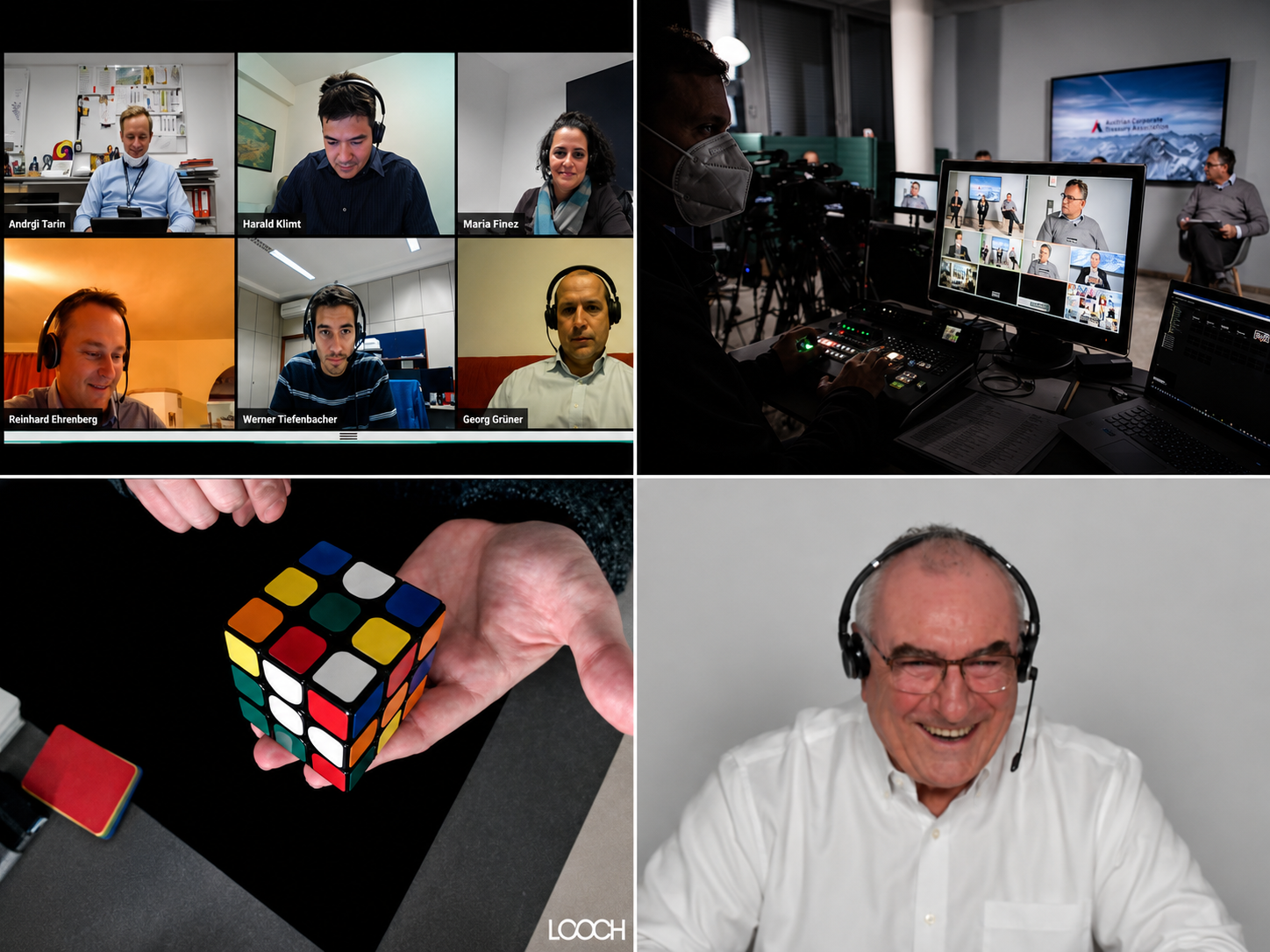
Even so, virtual performance still felt oddly detached.
To avoid awkward technical issues or delays selecting random audience members live, the organisers had chosen a handful of pre-selected participants who were carefully managed by the AV company throughout the performance. Logistically it made complete sense and made my job easier, but it also reinforced that strange sense of artificiality surrounding virtual events at the time.
Despite potentially performing for over a thousand people, it often felt as though I was only performing for the handful of faces visible on screen.
The Invitation to Brussels
A few months later I was introduced to Robin Page, CEO of Treasury Management International.
Robin had spent years in the corporate world and was involved with the forthcoming EACT Summit - the European Association of Corporate Treasurers event taking place in La Hulpe, Brussels.
This would be no virtual conference.
This was a major live European summit spread over two days with delegates attending from across the continent.
And suddenly I found myself preparing to travel internationally again for a live corporate event.
Taking the Eurostar to Brussels
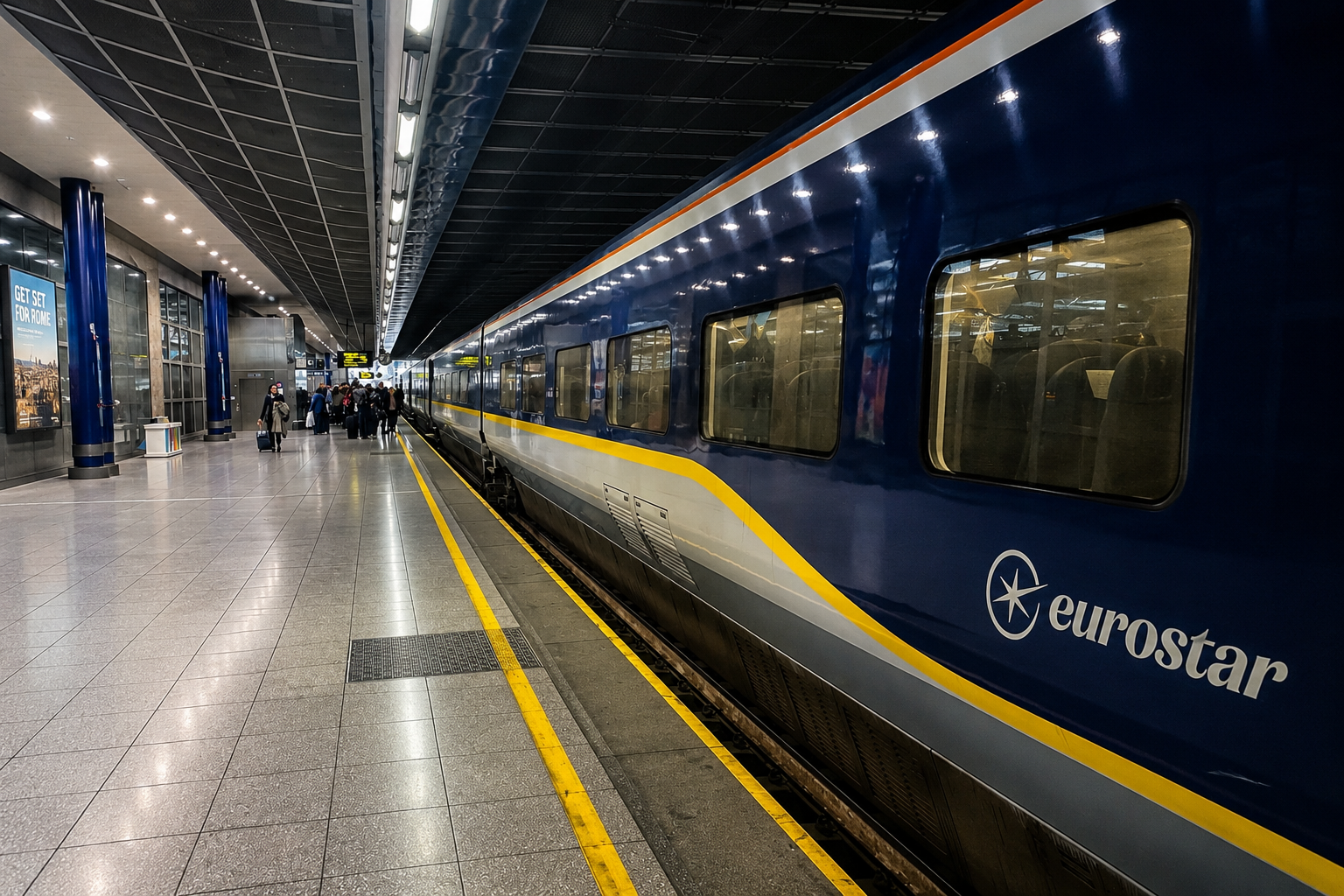
The journey itself felt symbolic somehow.
It was my first experience travelling on the Eurostar and I remember being genuinely surprised at how accessible it made Europe suddenly feel. I initially climbed aboard the wrong carriage and spent a few awkward minutes realising I was very much not sitting in the correct seat, but eventually found my place and settled in for the journey.
At one point during the trip, a screen inside the carriage displayed our speed alongside how far beneath the water we currently were while travelling through the Channel Tunnel.
That moment stuck with me.
The idea that I could leave London and arrive in Brussels barely two hours later made the world feel just a little bit smaller and more connected again after the isolation of the pandemic years.
First Impressions of Brussels
Arriving into Brussels Midi station however was something of a culture shock.
If I’m honest, my immediate impression was that the city felt rougher than I had expected. The amount of litter, visible homelessness and overall atmosphere around the station surprised me slightly and I remember feeling somewhat unsettled initially.
Thankfully a taxi was already waiting to take me onwards to La Hulpe where the summit itself was being held.
As we gradually left the city behind and headed further into the countryside, I immediately began to relax. Living in the countryside myself, I’ve always felt far more comfortable surrounded by quieter landscapes than dense urban environments.
The venue itself was hidden away within woodland and forests, a world away from the busy atmosphere of Brussels itself. It didn’t feel like a towering corporate complex. Instead it felt calm, secluded and surprisingly peaceful.
Returning to the Stage
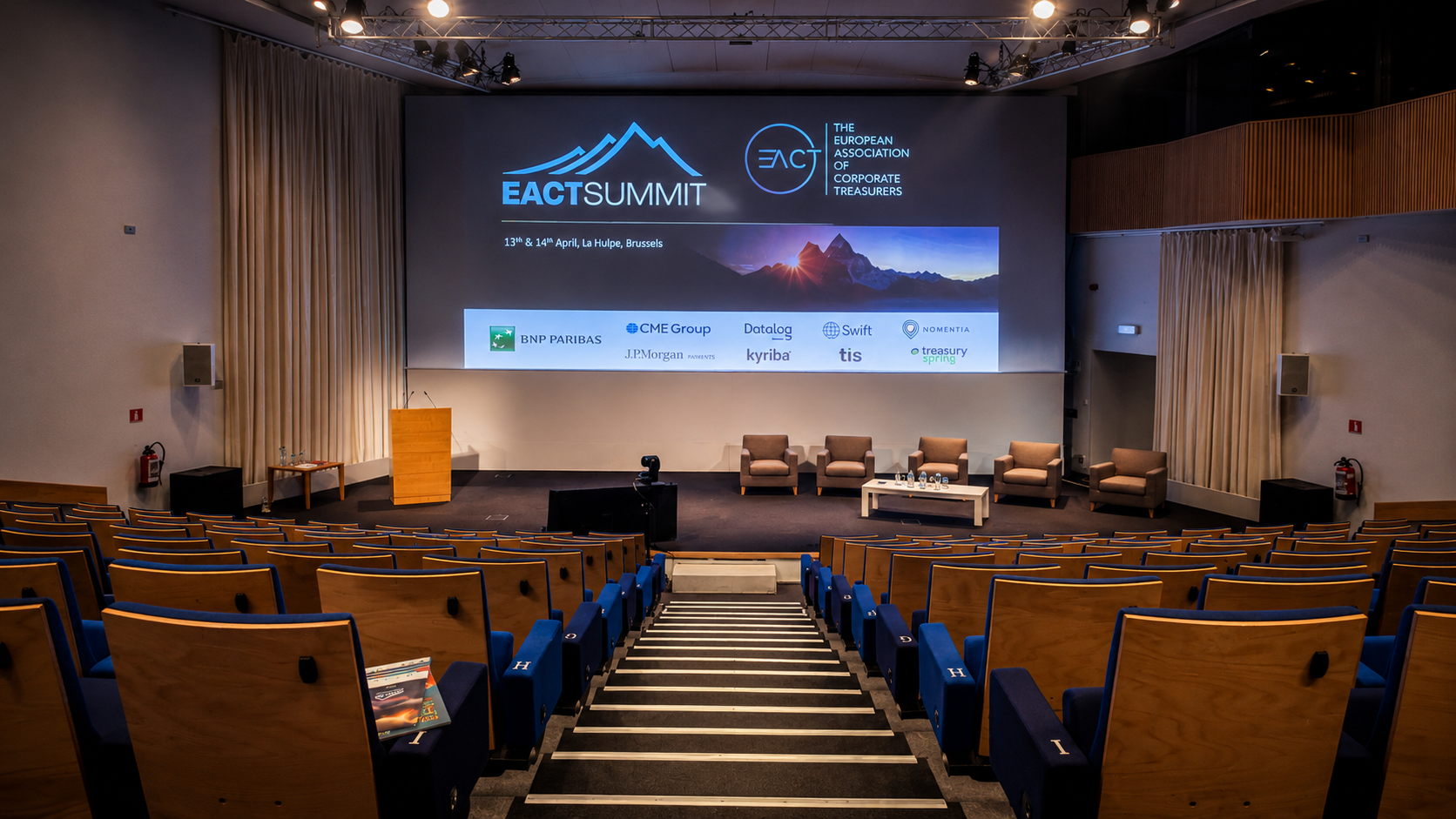
The summit itself was a large-scale international corporate event filled with delegates operating within an incredibly specialised financial world that, if I’m being honest, often felt far above my head intellectually.
The atmosphere was unmistakably European. Polite, professional and deeply inquisitive.
I had been booked to provide conference entertainment in the form of a 45-minute live stage show for the delegates before dinner, and despite having already returned to live events following the pandemic, this event felt significant personally.
For a long time during Covid, I genuinely wondered whether events of this scale and calibre might never fully return.
Standing on stage in Belgium performing live once again for a major international audience felt like an important moment.
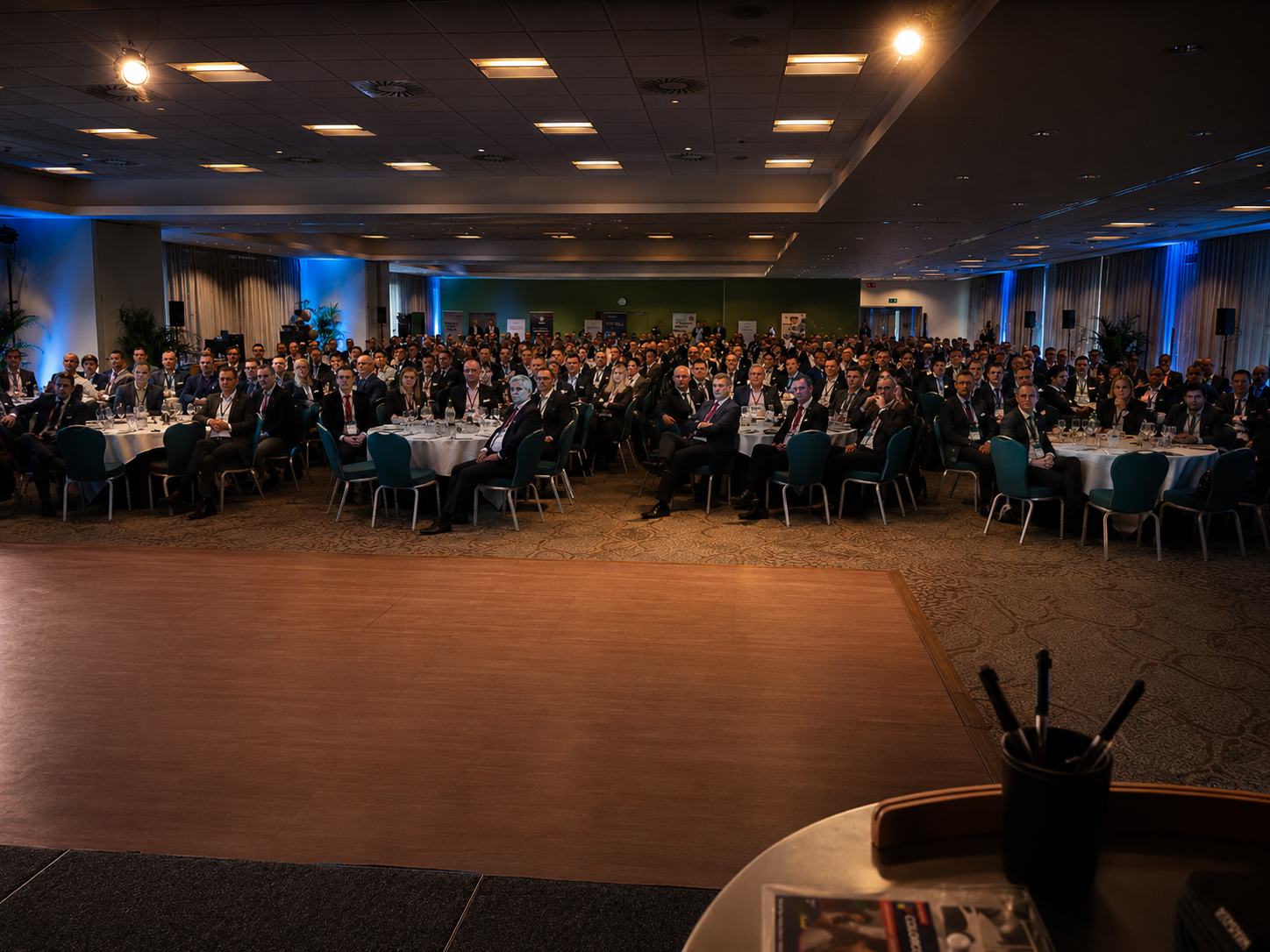
The reactions throughout the performance were fantastic and afterwards something happened that I had missed far more than I realised during the virtual years.
People simply stayed.
Delegates approached during dinner wanting to continue conversations, ask questions and request business cards. I remember eventually running out of cards entirely as more and more people came over throughout the evening.
After years of staring into webcams and ring lights, suddenly finding myself surrounded by real human curiosity and interaction again reminded me just how powerful live performance truly is.
Not because I wanted to escape the conversations, quite the opposite.
I was staying overnight and wanted to absorb as much of the experience as possible.
Human Connection Matters
One of the strange unintended consequences of the pandemic was that it highlighted just how important genuine human interaction really is.
Virtual events absolutely served a purpose during an incredibly difficult time and I remain grateful they existed. They allowed people to stay connected professionally and personally when normal life had ground to a halt.
But they also reinforced something important.
Technology can imitate connection remarkably well, but it rarely replaces the feeling of being physically present in a room with other people sharing the same experience together.
That Brussels summit reminded me why live events matter so much.
And interestingly, the event itself continues to have an impact years later. Since the summit I’ve received further enquiries and bookings from delegates who attended and Robin himself has since been back in touch regarding another forthcoming event in Dublin.
Some conversations simply continue long after the applause fades.
