
Performing at The Prince & Princess of Wales Hospice Annual Ball
One of the strangest things about working as a performer is where enquiries sometimes arrive.
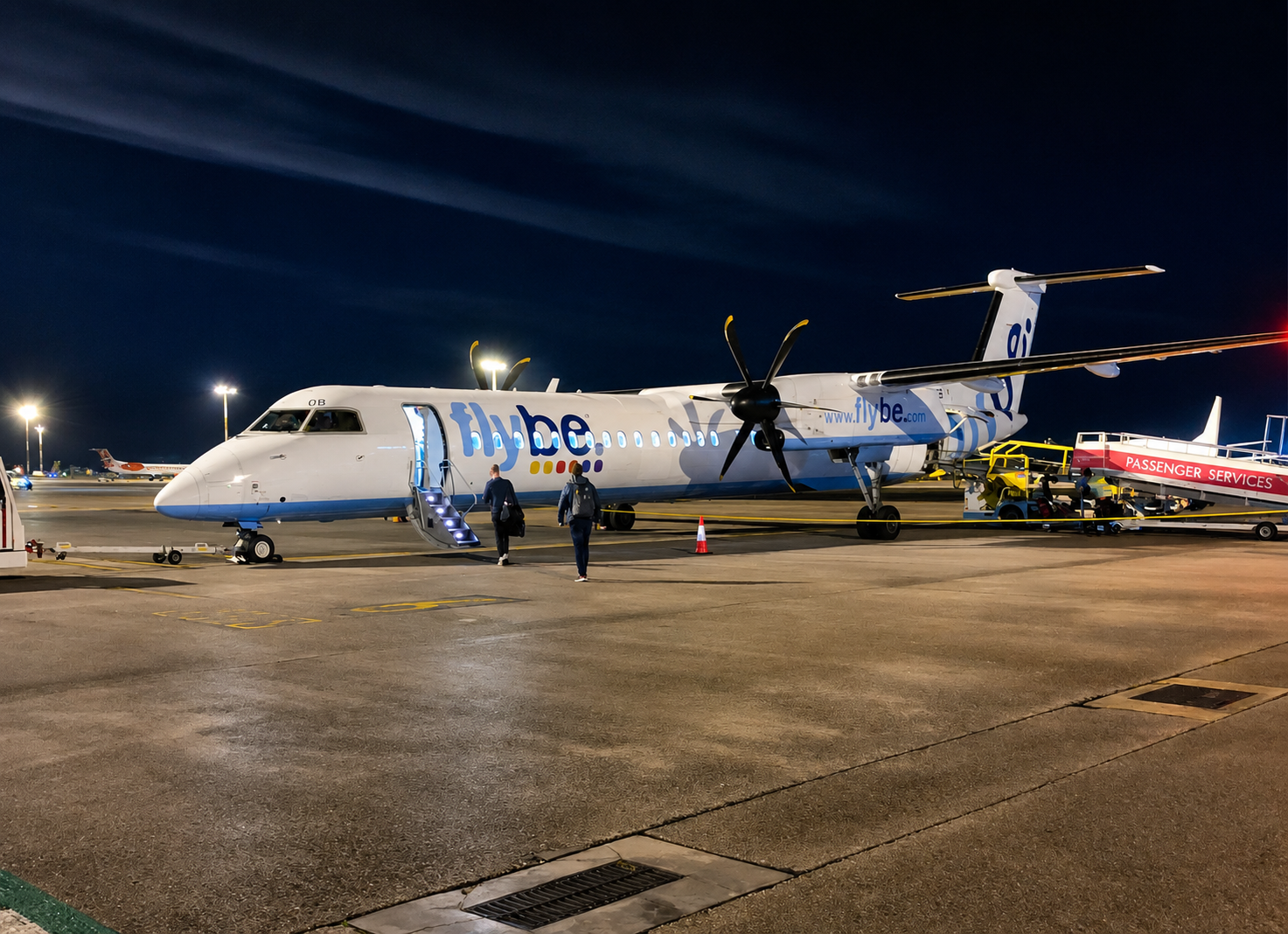
I still vividly remember receiving the booking request for The Prince & Princess of Wales Hospice Annual Ball while sitting in a hotel restaurant in Columbus, Ohio.
Outside, the temperature was close to minus twenty degrees as I prepared material for a lecture at Penguin Magic in the United States. Meanwhile, several thousand miles away, an enquiry had landed in my inbox asking if I would fly to Scotland to perform at a major charity gala in Edinburgh.
At the time, it would become my first corporate performance in Scotland.
That alone already made the booking feel significant.
Creating Something Bigger
From the moment the event was confirmed, I knew I wanted to try something completely new.
Until that point, most of my stage performances had relied purely on live interaction and traditional theatrical presentation. However, because this event had a professional AV company supporting the evening, it suddenly opened the door to incorporating video, music and interactive visuals into the show for the very first time.
The idea immediately excited me.
It also terrified me.
Working alongside the AV team, I began creating a series of interactive psychological demonstrations designed specifically for the ballroom environment. Rather than simply waiting for the stage show itself, guests would experience short interactive mind experiments projected onto large screens throughout the evening between courses.
Hidden in my pocket was a secure remote control that allowed me to trigger various video and audio sequences in real time throughout the performance.
For the audience, it created a much more immersive experience.
Music could now build tension.
Visuals could reinforce emotional moments.
The show suddenly had texture and atmosphere in a way I had never experienced before.
At the same time, introducing technology into live performance also introduces risk.
The Fear of Technical Failure
One thing performers quickly learn is that audiences only ever see the finished experience.
They rarely see the stress behind it.
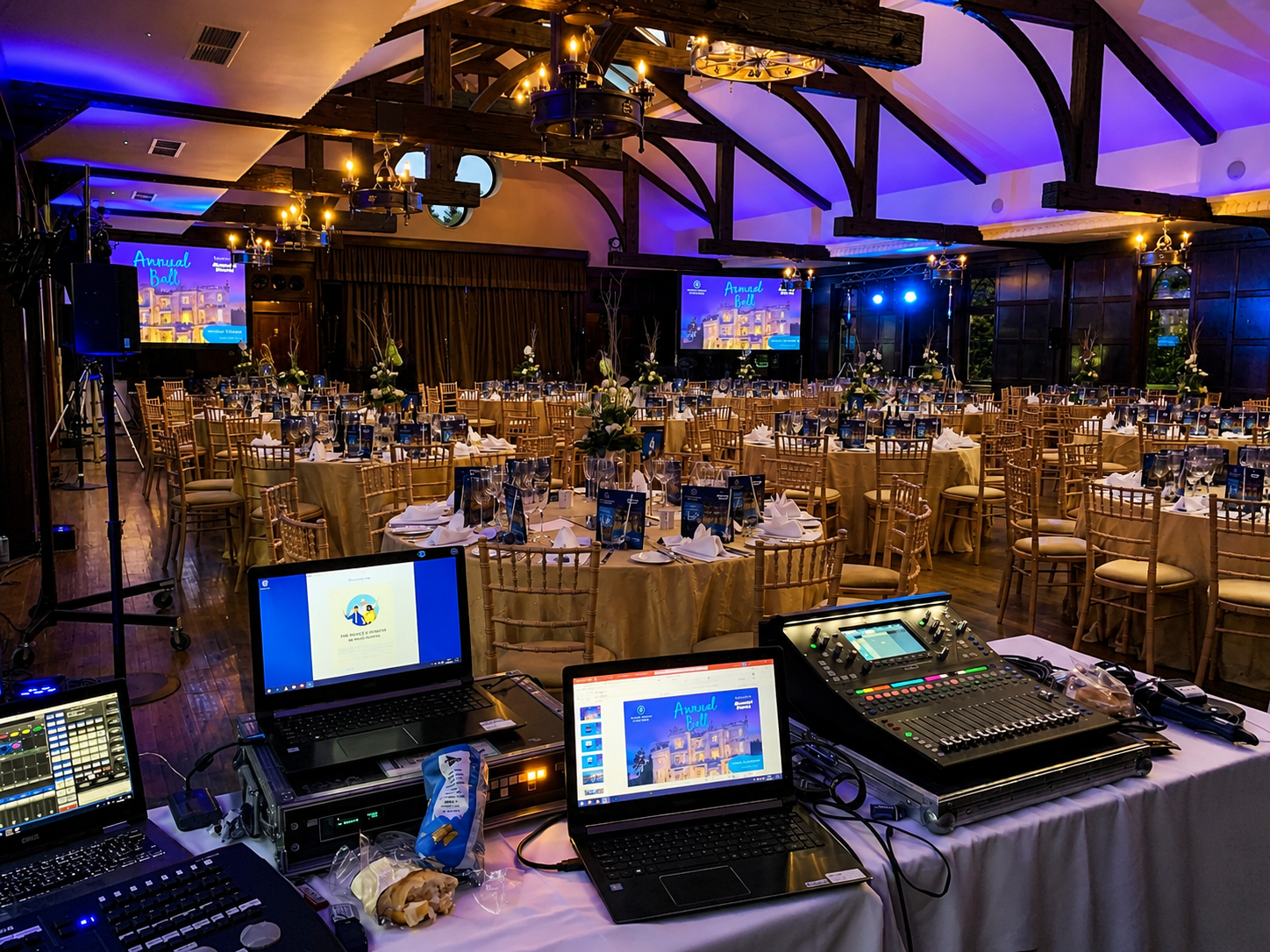
Because this was my first time integrating video playback, music cues and large-scale audience visuals into a live stage show, I spent a huge amount of time worrying about what could potentially go wrong.
Would the timing work?
Would the screens freeze?
Would the audio trigger correctly?
Would the remote fail?
The AV company handling the event were absolute professionals and immediately gave me confidence, but there’s still a very different feeling when you are the person standing on stage knowing the entire experience depends on everything connecting at the right moment.
Looking back now, it also made me realise how valuable a dedicated show assistant can be for large productions. Having somebody operating cues externally rather than triggering them yourself removes an enormous amount of pressure from the performer.
At the time though, I was determined to make it work.
Crossbasket Castle
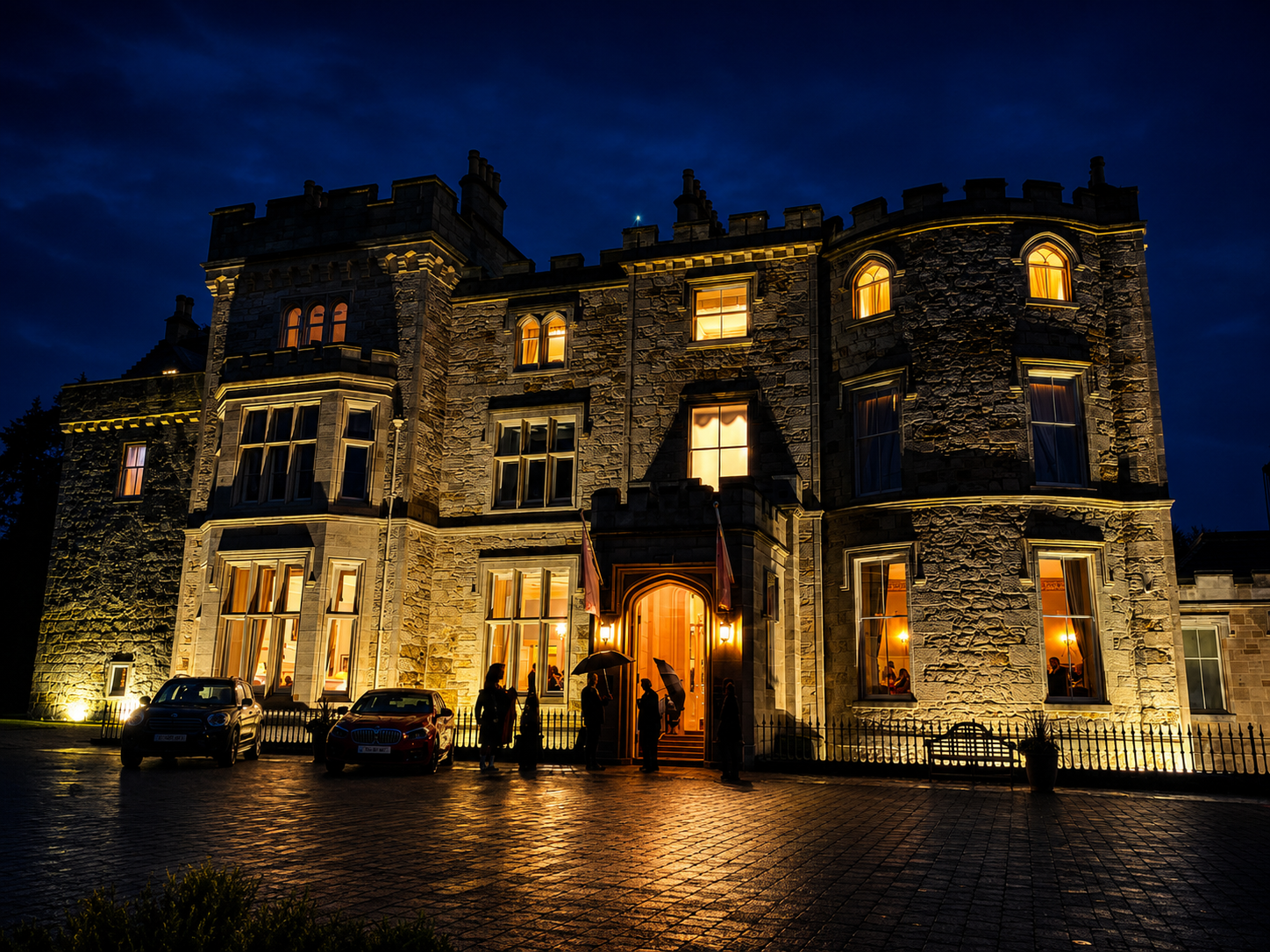
The event itself took place at the stunning Crossbasket Castle near Glasgow.
Visually, it was everything you would imagine a historic Scottish castle to be.
The building felt grand without becoming intimidating, filled with beautiful decor, antique details and layers of history throughout the interior. Every room felt cinematic.
By the time I arrived on site, the ballroom had been transformed for the charity gala with staging, lighting rigs and projection screens positioned throughout the room for the 150 guests attending the evening.
It immediately felt like a major event.
A New Audience in a New Country
Part of the pressure I felt leading into the performance came from the fact this wasn’t simply another corporate booking.
This was:
- a major charity fundraiser
- in a new city
- for a new audience
- using brand new production techniques
- with me as the headline entertainment for the evening
That combination naturally creates pressure.
The audience itself, however, turned out to be fantastic.
One of the strongest additions to the evening was an interactive Stroop Test sequence I had created before the main performance began. Guests were shown a series of colour-based psychological challenges on the large screens and encouraged to shout responses aloud from their tables.
The reaction was immediate.
The entire room became engaged, playful and energised before I had even stepped onto the stage.
That proved enormously valuable later during the live performance itself because the audience already felt involved.
The Performance
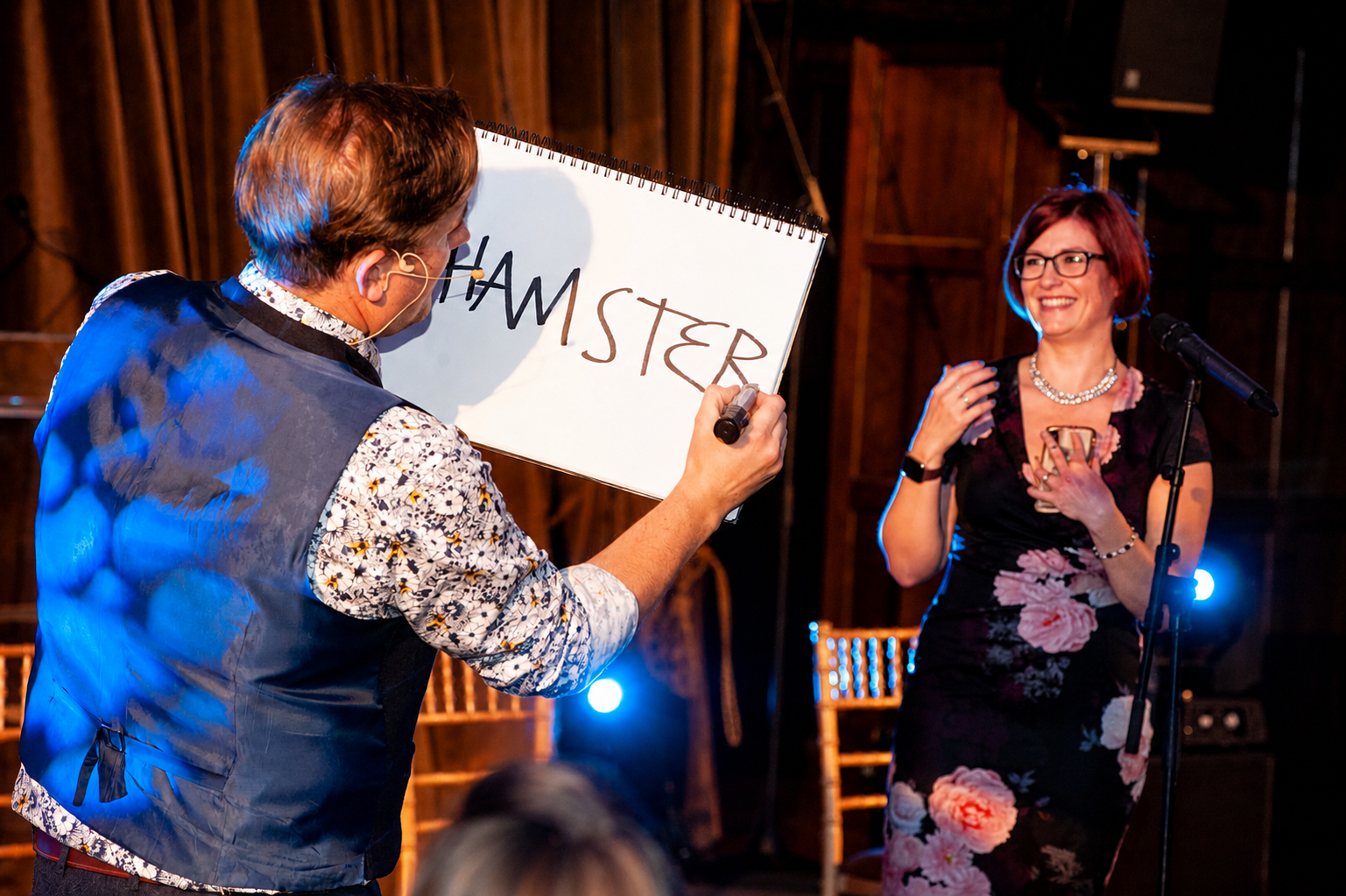
The evening itself featured a wonderful range of entertainment and fundraising activity before my performance, including a choir, an opera singer and hosting duties from broadcaster Jackie Brambles.
As is often the case with live events, timings gradually slipped behind schedule throughout the evening.
By the time I eventually stepped onto stage, we were already running roughly twenty-five minutes late.
Fortunately, none of that mattered once the performance began.
The audience embraced every part of the show.
The combination of live interaction, projected visuals and carefully timed audio cues created an atmosphere unlike anything I had previously experienced in my own performances.
Throughout the show I:
- revealed audience memories
- analysed body language and behavioural tells
- influenced decisions and thoughts
- demonstrated rapid calculations
- and created several larger theatrical moments involving audience participation across the ballroom
Most importantly, the technology worked.
The reactions throughout the room were strong, and by the end of the performance people were approaching the stage, tables and exits simply wanting to continue talking about what they had experienced.
Leaving the venue actually became difficult because guests kept stopping me for conversations, questions and reactions about the show.
That’s always one of the strongest signs an event has connected successfully.
More Than Entertainment
What makes charity events feel different from standard corporate performances is the emotional purpose behind them.
Everyone in the room understands they are there for something larger than themselves.
By the end of the evening, the event had successfully raised £28,000 for The Prince & Princess of Wales Hospice.
Knowing I had played even a very small role in helping contribute towards that success felt genuinely rewarding.
Looking back now, the performance remains memorable not simply because of the venue or the technology, but because it marked an important turning point in how I approached live stage work.
It was the first time I truly realised how production, music, visuals and psychology could all combine together to create something far more immersive than a traditional performance alone.
